Healthy Tuna Gimbap Recipe: A Simple Korean Meal Packed with Protein
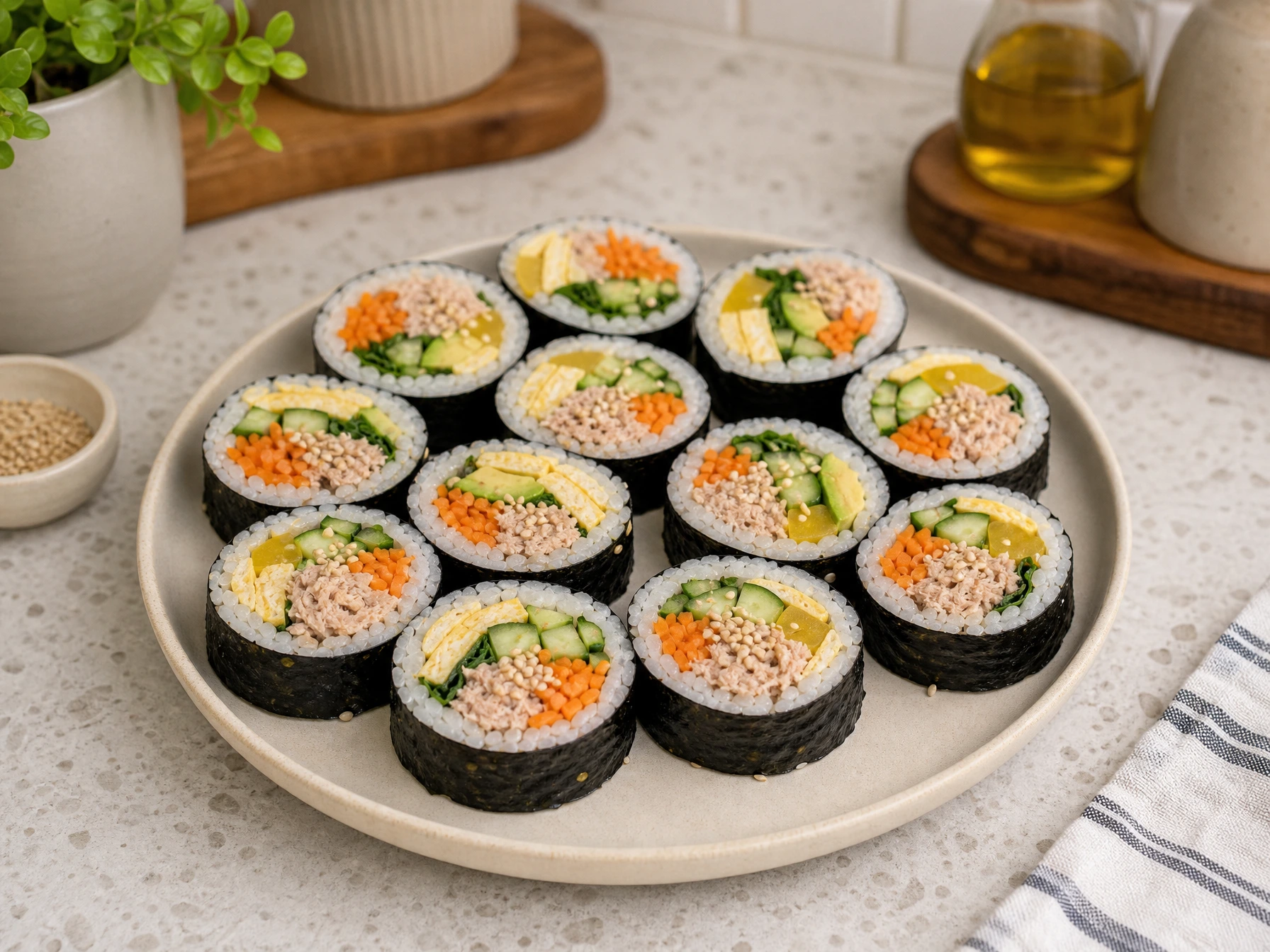
Korean gimbap is one of the most comforting and versatile meals you can make at home. It’s portable, colorful, filling, and easy to customize with healthier ingredients. This healthy tuna gimbap recipe uses protein-rich tuna, crunchy vegetables, and lightly seasoned rice for a balanced meal that works great for lunch, meal prep, picnics, or busy weekdays.
Unlike heavy takeout meals, homemade gimbap lets you control the sodium, oil, and ingredients while still delivering amazing flavor.
Why Tuna Gimbap Is a Healthy Choice
Tuna gimbap can be a nutritious, balanced meal because it includes:
- Lean protein from tuna
- Fiber and vitamins from vegetables
- Seaweed rich in minerals and iodine
- Moderate portions of rice for energy
- Healthy fats when using avocado or sesame oil
It’s also easy to make lighter than restaurant versions by reducing mayonnaise and using more vegetables.
Healthy Tuna Gimbap Recipe
Ingredients
For the Rice
- 3 cups cooked short-grain rice
- 1 teaspoon sesame oil
- 1/2 teaspoon salt
For the Filling
- 1 can tuna, drained
- 1–2 tablespoons Greek yogurt or light mayonnaise
- 1 teaspoon mustard (optional)
- 1 cucumber, sliced into thin strips
- 1 carrot, julienned
- 1 avocado, sliced
- 2 eggs, cooked into a thin omelet and sliced
- Spinach or lettuce (optional)
- Pickled radish strips (danmuji), optional
Other
- 4–5 sheets roasted seaweed (gim)
- Sesame seeds for garnish
Instructions
1. Prepare the Rice
Place warm rice in a bowl and gently mix with sesame oil and salt. Let it cool slightly before rolling.
2. Make the Tuna Filling
In a small bowl, combine drained tuna with Greek yogurt or light mayo. Add mustard if desired for extra flavor.
3. Prepare the Vegetables
Slice all vegetables into thin, long strips so they roll easily inside the gimbap.
4. Assemble the Gimbap
Place a sheet of seaweed shiny side down on a bamboo mat or clean surface.
Spread a thin layer of rice over about 80% of the seaweed sheet.
Add tuna and vegetables horizontally across the center.
5. Roll Tightly
Carefully roll the gimbap forward while pressing gently to keep it compact.
Seal the edge with a few grains of rice or a little water.
6. Slice and Serve
Lightly brush the roll with sesame oil and sprinkle with sesame seeds.
Slice into bite-sized pieces using a sharp knife.
Healthy Variations
You can easily customize tuna gimbap with:
- Brown rice or mixed grain rice
- Kimchi for spice
- Perilla leaves for extra flavor
- Cooked salmon instead of tuna
- Tofu for a vegetarian version
- Extra vegetables for lower calories
Meal Prep Tips
Gimbap is best eaten fresh but can still work for meal prep if stored properly.
- Wrap tightly in plastic wrap or an airtight container
- Refrigerate up to 24 hours
- Avoid overly watery vegetables
- Slice just before serving for the best texture
What to Serve with Tuna Gimbap
Healthy tuna gimbap pairs well with:
- Miso soup
- Kimchi
- Seaweed salad
- Fresh fruit
- Korean cucumber salad
It’s also perfect for lunchboxes, road trips, and quick family meals.
Final Thoughts
Healthy tuna gimbap is proof that simple ingredients can create a satisfying and nutritious meal. With fresh vegetables, protein-packed tuna, and savory seaweed, this Korean classic is easy to make at home and endlessly customizable for your family’s tastes.